How to Plan an Outdoor Kitchen
Recommended picks


Pick the Right Location
The location determines everything from ventilation to convenience. You want to be within 20 to 30 feet of your back door so carrying food and dishes doesn't become a chore. Prevailing wind direction matters, too: position the grill so smoke blows away from the seating area and the house. Check with your local building department before you pour a single bag of concrete. Many municipalities require a permit for any permanent outdoor structure, and gas line extensions almost always need one. Keep the structure at least 10 feet from wood fencing, overhanging branches, and combustible siding.
Choose a Layout That Fits Your Space
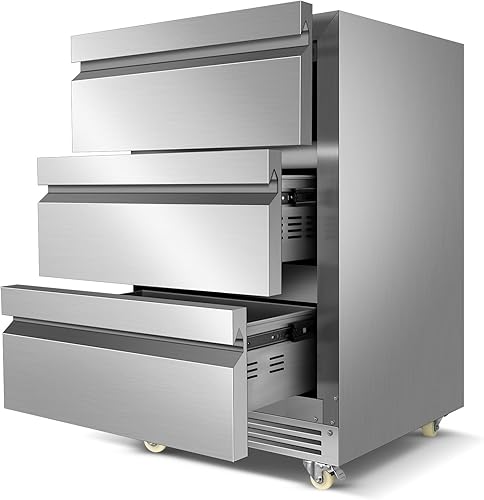
The most common layouts are the straight run, the L-shape, and the U-shape. A straight run works well on a narrow patio and costs the least to frame. An L-shape adds a corner prep zone and is the sweet spot for most backyards in the 12 to 16 foot range. A U-shape gives you the most counter space and works well for hosting large groups, but it requires a wide open footprint of at least 10 by 12 feet. Leave a minimum of 42 inches of walking clearance between any counter face and a table or wall. Plan your appliance rough-ins on paper before framing: a built-in refrigerator like the Tylza TYOD150, rated 4.4 stars across 842 reviews at $799.99, measures 22.63 x 23.42 x 34.24 inches, so your cabinet opening needs to match that footprint exactly.
Select Your Appliances
Start with the grill as the anchor appliance, then add a refrigerator for cold storage, and finally fill remaining cabinet space with drawers and access doors. For the refrigerator, decide between built-in and freestanding before you frame. Built-in units slot flush into the counter; freestanding units like the FoMup FM24T, 4.4 stars from 645 reviews at $989.99, stand 34.25 inches tall and weigh 116 pounds, so they need a dedicated stable surface rather than a framed cutout. Access doors let you reach gas shut-offs, trash cans, and storage below the counter without tearing into the structure. The Vevor BBQ Access Door 24W x 24H, rated 4.3 stars from 1,700 reviews at $57.70, is a stainless steel single-door panel used by a wide range of builders as a low-cost utility access point. Size your refrigerator to match your typical crowd: a 4-rack or 5-cubic-foot unit handles drinks and condiments for 10 to 15 people.
Decide on Frame and Counter Materials
Steel stud framing covered in cement board is the most common DIY-friendly method. It handles moisture, won't rot, and accepts tile, stucco, or stone veneer on the exterior. Concrete block is more labor-intensive but extremely durable and holds up well in freeze-thaw climates. Avoid wood framing anywhere near the grill opening; combustion codes in most states prohibit it within a set clearance distance. For countertops, granite and porcelain tile are both good outdoor choices. Granite needs an annual sealer in wet climates. Porcelain tile grout can crack with frost heave, so use a flexible grout rated for outdoor use. Budget countertop material at $40 to $120 per square foot installed, depending on what you choose.
Plan Utilities: Gas, Electric, and Water
Natural gas is the most convenient fuel for a permanent outdoor kitchen. Running a new gas line from the house typically costs $300 to $800 depending on distance and local labor rates, and it must be done by a licensed plumber or gas fitter in most states. Propane is an option if natural gas is unavailable, but budget for a dedicated tank and a regulator sized for multiple appliances running at once. Electrical service is needed for a refrigerator, task lighting, and any 120V outlets on the counter. A dedicated 20-amp outdoor circuit is usually sufficient for a single fridge plus outlets. Water at the outdoor sink is a major convenience, but it adds cost: you need a supply line, a drain line, and winterization if your climate drops below freezing. Many builders skip the sink on their first outdoor kitchen and add it later.
Set a Realistic Budget
A basic outdoor kitchen with a grill island, a built-in fridge, and two access doors runs $3,000 to $5,000 in materials if you do your own framing and finish work. Add $2,000 to $4,000 for gas line extension and electrical circuit, depending on your location. A full U-shape layout with a sink, dedicated refrigerator, bar seating, and granite counters can push past $15,000 installed. Appliances account for a large share: a quality built-in fridge alone is $700 to $2,000. Prioritize the grill and refrigerator in the first phase, then add a sink, warming drawer, or bar fridge in a second phase if budget is tight. Getting phased builds right requires planning the utility rough-ins during phase one so you're not tearing out finished work later.
Common mistakes to avoid
- Skipping the permit check and building a permanent structure that later has to be modified or removed to meet code.
- Framing the cabinet openings before confirming exact appliance dimensions, then finding the fridge or access door doesn't fit.
- Positioning the grill so prevailing wind pushes smoke toward the house or seating area.
- Using interior-grade materials like untreated wood or standard drywall in the frame or cabinet structure.
- Running a single undersized gas line and discovering it can't supply a grill plus a side burner at full output at the same time.
- Skipping the water winterization plan in cold climates, leading to burst supply or drain lines after the first hard freeze.
Frequently asked questions
Do I need a permit to build an outdoor kitchen?
In most jurisdictions, yes, if the structure is permanent and involves gas or electrical work. Check with your local building department before starting. Permits typically cover the structural foundation, gas line extension, and any new electrical circuits. Skipping this step can create problems when you sell the property.
What is the best material for an outdoor kitchen frame?
Steel stud framing covered with cement board is the most popular choice for DIY builders because it resists moisture and doesn't rot. Concrete block is also durable and works well in climates with wide temperature swings. Avoid wood framing near any grill opening, and check local fire codes for minimum clearance requirements.
How much counter space do I need?
Plan for at least 24 to 36 inches of clear counter space on each side of the grill for prep and plating. If you're adding a side burner or a flat-top griddle, treat those as separate work zones and keep the same clearance. More counter space almost always improves the cooking experience, especially when hosting.
Can I use a standard indoor refrigerator outdoors?
Indoor refrigerators are not rated for outdoor temperature swings, humidity, or direct sun exposure. Most indoor compressors are designed to operate in 60 to 90 degree Fahrenheit ambient temperatures. An outdoor-rated unit is built with a sealed compressor and materials that handle heat, cold, and moisture. Using an indoor fridge outside typically voids the warranty and shortens the life of the appliance considerably.
How do I winterize an outdoor kitchen in a cold climate?
Shut off the water supply valve inside the house, open the outdoor faucet to drain the line, and blow out the remaining water with compressed air if the run is long. Cap the drain line so pests can't enter. Disconnect the propane tank if applicable and store it upright in a ventilated area. Cover the grill and any stainless steel countertops with a fitted cover to prevent rust and debris buildup over winter.