Pellet vs Electric vs Charcoal Smoker: Which One Is Right for You?
Recommended picks

How Each Fuel Type Works
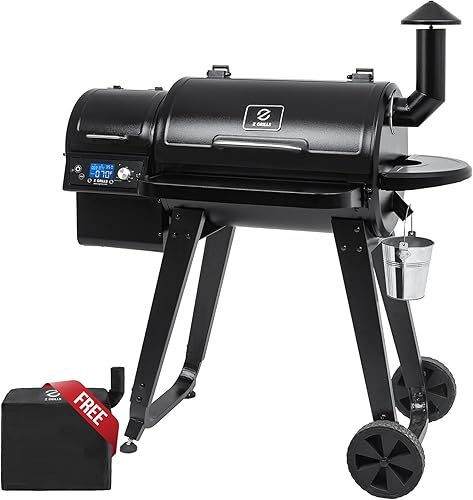
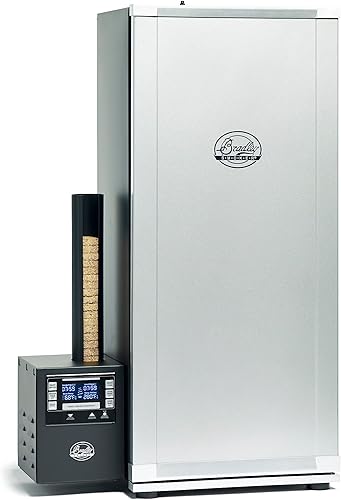
A pellet smoker holds wood pellets in a hopper and meters them into a fire pot with an auger controlled by a digital thermostat. The fan-driven convection keeps temperatures steady within a few degrees and circulates smoke continuously, which is why pellet units like the Z Grills ZPG-450A (4.4 stars, over 6,400 ratings, $359) have become popular for long brisket and pork shoulder cooks. An electric smoker uses a resistive heating element, much like an oven, and draws smoke from wood chips or proprietary bisquettes placed above the element. The Bradley Smoker BTDS108P runs on this principle, weighs 60.5 lb, and is built from stainless steel for durability at $659.99 with 4.0 stars across 441 ratings. Charcoal smokers are the simplest mechanically: you light fuel in a firebox or bowl, manage air through vents, and adjust heat by adding charcoal or closing dampers, with wood chunks placed directly on the coals for flavor.
Smoke Flavor and Bark Formation
Charcoal produces combustion byproducts, including nitrogen dioxide, that react with myoglobin in meat to form a deep pink smoke ring, which many competition judges still prize. Adding hardwood chunks to the coals amplifies that effect. Pellet smokers produce a cleaner, milder smoke because the fire pot burns efficiently at a controlled temperature, so you get real wood flavor without harsh or acrid notes, but the smoke ring tends to be thinner than charcoal. Electric smokers generate the least combustion, which means the smoke flavor comes almost entirely from the wood chips or bisquettes rather than from any fuel combustion, producing a lighter smoke profile that works well for fish, poultry, and cheese but may feel understated for a full packer brisket.
Ease of Use and Temperature Control
Electric smokers are the easiest to run: set the dial, add chips when the manufacturer suggests, and come back when the timer finishes. Pellet smokers are nearly as convenient once you understand their startup sequence, the hopper needs to be filled and the auger primed, but after that a digital controller holds your target temperature for the duration of the cook. Charcoal smokers require you to build and maintain a fire, which means checking vents, adding fuel, and managing airflow every one to two hours on a long cook. For new backyard cooks or anyone who wants to smoke on a weeknight without dedicating the whole evening to babysitting the fire, pellet or electric wins on convenience. The Realcook REALCOOK-17 charcoal smoker (4.4 stars, 3,900 ratings, $84.99, 18.6 lb) is a good example of an entry charcoal unit that rewards patience and practice.
Price and Ongoing Fuel Cost
Charcoal smokers start the cheapest, with entry bullet-style units available under $100, and lump charcoal runs roughly $1 to $2 per pound at most hardware stores. Pellet smokers typically start around $300 and run higher for larger capacity or heavier gauge steel, with pellets costing approximately $1 per pound and a typical 10-hour low-and-slow session burning 5 to 10 lb. Electric smokers span a wide price range from around $200 to over $650, and the wood chips or bisquettes they consume are inexpensive, making per-cook fuel cost the lowest of the three types. Factor in that pellet and electric units need an outdoor electrical outlet and a GFCI circuit if used in wet conditions, while a charcoal smoker needs nothing more than charcoal and a lighter.
Portability and Setup Space
Bullet charcoal smokers are the most portable option, with lighter units weighing under 20 lb and requiring no power source. Pellet smokers tend to be heavier, running 85 lb or more for mid-range units, and they need a power outlet nearby since the auger motor and controller both draw electricity. Electric smokers like the Bradley BTDS108P at 60.5 lb fall between these two but are still tied to an outlet. If you camp, tailgate, or frequently move your smoker around the yard, a charcoal bullet or kettle-style smoker wins on flexibility. For a permanent patio setup, the weight difference matters less than cooking capacity and ease of use.
Which Type Should You Choose?
Choose a pellet smoker if you want hands-off long cooks, genuine wood smoke flavor, and the flexibility to grill, roast, and smoke on one machine. Choose an electric smoker if you live in an apartment complex or condo that bans open flame, want the absolute easiest learning curve, or mainly smoke delicate foods like salmon or vegetables. Choose a charcoal smoker if smoke flavor and bark quality are your top priority, you enjoy the ritual of fire management, or you want a capable smoker at the lowest possible upfront cost. All three types can cook meat to USDA safe cooking temperatures when used with a reliable leave-in thermometer, so the choice comes down to how much involvement you want during the cook and the flavor profile you prefer.
Common mistakes to avoid
- Running an electric smoker in the rain without a covered patio or canopy, which can trip GFCI breakers and interrupt long cooks.
- Overfilling a charcoal smoker firebox so that temperatures spike far above your target, drying out the meat before it has time to render properly.
- Letting a pellet hopper run empty mid-cook, which starves the fire pot, drops temperature, and can leave raw pellets in the auger that must be cleared before the next use.
- Adding wood chips or chunks to a pellet smoker on top of pellets, which disrupts the auger-fed combustion cycle and can cause temperature swings.
- Skipping a water pan in a vertical charcoal or electric smoker, which causes moisture to drop and can lead to tough, dried-out bark on longer cooks.
- Judging doneness by time or color alone rather than using an instant-read or leave-in probe thermometer to verify the internal temperature.
Frequently asked questions
Do pellet smokers produce as much smoke flavor as charcoal?
Pellet smokers produce real wood smoke flavor because the fuel is 100 percent compressed hardwood, but the combustion is cleaner and more complete than charcoal, so the smoke is milder. Charcoal, especially when combined with hardwood chunks, typically produces a more pronounced smoke ring and a thicker bark. If you want the deepest smoke flavor, charcoal wins, but most backyard cooks are happy with the results from a quality pellet smoker.
Can I use an electric smoker outdoors in any weather?
Electric smokers can be used outdoors but they need protection from rain and snow to prevent water from reaching the heating element, control panel, and electrical connections. A covered porch or patio canopy is the simplest solution. Most models are not rated for wet-weather use, so check your unit's manual for guidance. Always plug into a GFCI-protected outlet when operating any electric appliance outdoors.
How long does a bag of pellets last in a pellet smoker?
Most pellet smokers consume roughly 1 to 3 lb of pellets per hour depending on the set temperature, outside air temperature, and how well the unit is insulated. A 20 lb bag typically lasts 7 to 20 hours of cooking time. Running at high heat for searing or grilling burns pellets faster than low-and-slow smoking does, so budget accordingly for long cooks like a full packer brisket.
Is a charcoal smoker harder to use than a pellet smoker?
Yes, charcoal smokers have a steeper learning curve because you manage fire directly: controlling airflow through dampers, reading temperature on a mounted gauge, and adding fuel when heat drops. It takes a few cooks to develop a feel for how your specific unit behaves. Pellet smokers handle most of that automatically through a digital controller, which makes them easier for first-time smokers to get consistent results quickly.
What is the best wood for each type of smoker?
For charcoal smokers, hardwood chunks such as hickory, oak, cherry, or apple placed directly on hot coals are the standard approach. For pellet smokers, use food-grade compressed wood pellets sold specifically for smokers, available in the same wood varieties. For electric smokers, small wood chips or brand-specific bisquettes work best because the heating element produces a lower combustion temperature. Avoid softwoods like pine or cedar in any smoker, as they contain resins that produce harsh, unpleasant smoke.